
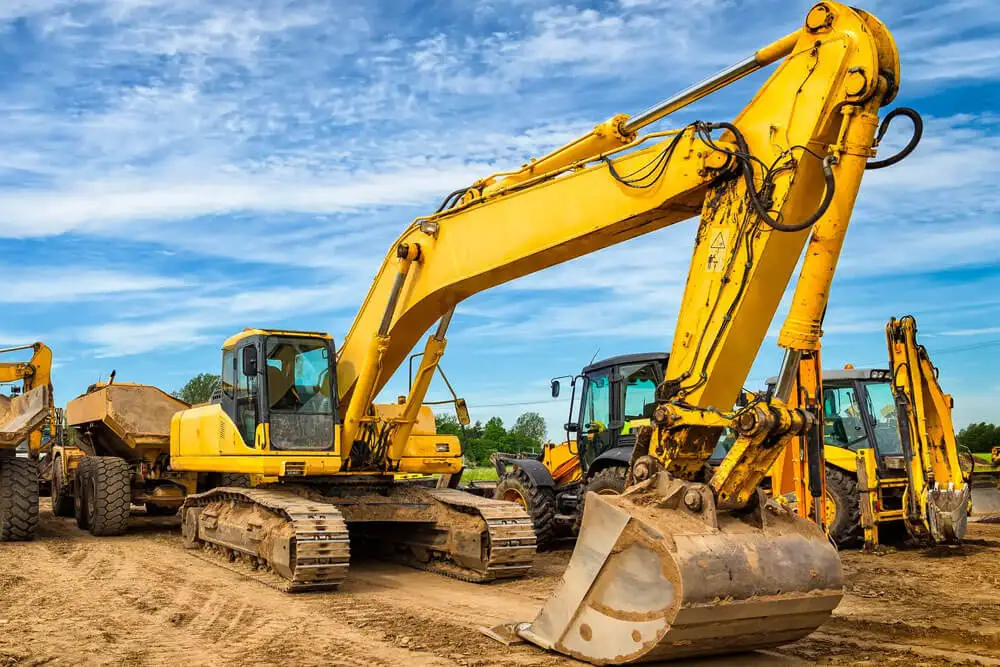
Nowadays, the global climate problem is becoming more and more serious, and governments have gradually paid attention to it and introduced carbon emission tax policies to reduce greenhouse gas emissions. This trend has had a big impact on the energy-intensive, high-emission manufacturing industry. This article will explore how the carbon tax has affected the production cost of excavators worldwide and analyze the strategies that the industry may respond to.
At present, more than 40 countries and regions in the world have implemented carbon pricing policies. As the world's largest machinery producer, China's national emissions trading market has been launched in 2021 and is expected to gradually expand its coverage in the future. The United States does not have a national carbon tax, but some states have established regional carbon markets.
In the face of cost pressure, excavator manufacturers are taking a variety of measures to respond. Electrification has become the most obvious trend, and major manufacturers have launched pure electric excavator product lines. Companies such as Komatsu and Caterpillar have introduced several electric models in the Chinese and European markets. Hybrid technology is also receiving attention as a transition solution, and HS Hydraulic Equipment Co., Ltd is also following in this footsteps. In addition, lightweight design, alternative material applications, and production process optimization are all viable paths for the industry to reduce carbon costs. Remote monitoring and intelligent dispatch systems spread the cost of carbon emissions by increasing equipment utilization.
The carbon tax has undoubtedly increased the cost pressure on global excavator producers, but it has also promoted technological innovation and sustainable development transformation of the industry. In the short term, enterprises need to absorb the cost increase through supply chain optimization and technology improvement; In the long run, fully embracing the electric, intelligent and circular economy model will become an inevitable choice.












 HANSHAN